Anti-Inflammatory Nutrition and PTSD
Anti-Inflammatory Nutrition and Trauma Recovery: What the Research Says
When we think about trauma recovery, we usually think of therapy, medications, and mindfulness practices, and these remain the foundations of therapy. Researchers are now also looking at how trauma and long-term stress affect the body, and whether the way we eat might be one helpful part of a broader recovery plan.
Here’s what the research suggests so far, what it doesn’t yet tell us, and some practical places to start.
What is PTSD?
Post-traumatic stress disorder (PTSD) is a psychiatric condition that may occur in people who have experienced or witnessed a traumatic event or series of traumatic events. It can involve intrusive memories, avoidance, feeling constantly on guard, and
changes in mood and thinking. PTSD is diagnosed and treated by health professionals, and effective treatments
are available.
Stress, inflammation and the brain
Inflammation is one of the body’s natural defence systems. When you’re injured or fighting an infection, it’s part of how your body repairs itself. Problems can arise when low-grade inflammation hangs around for a long time.
A large review and meta-analysis found that, on average, people with PTSD had higher levels of some inflammatory markers in their blood, including interleukin-6 (IL-6) and tumour necrosis factor-alpha (TNF-α) (Passos et al., 2015). That’s an association. It doesn’t tell us that inflammation causes PTSD.
Researchers have proposed several ways stress, the brain and the body might interact, including oxidative stress and inflammation in the nervous system. A recent review chapter on diet and PTSD explores these ideas and how nutrition might fit in (Murray & Holton, 2024). This is an emerging area, and research in PTSD specifically is still limited.
What do we know about food and mood?
Most of the research on food and mental health has looked at depression rather than PTSD.
- The SMILES trial (Australia): Adults with major depression who received dietary support to follow a Mediterranean-style eating pattern, improved more over 12 weeks than a group that received social support (Jacka et al., 2017).
- A meta-analysis of randomised trials found that improving diet quality reduced depressive symptoms overall, with less consistent effects on anxiety (Firth et al., 2019).
Taken together, the research suggests that a Mediterranean, healthy eating pattern may support mental wellbeing.
What does a Mediterranean-style pattern look like?
It isn’t a strict diet. It’s a way of eating built around whole, minimally processed, seasonal foods:
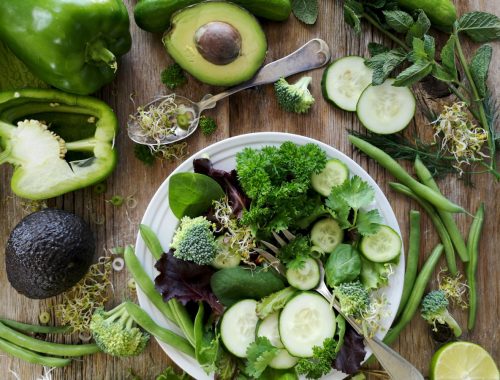
- Plenty of vegetables, fruit, legumes and wholegrains
- Extra virgin olive oil as your main oil
- Fish and seafood a few times a week
- Nuts and seeds most days
- Herbs, garlic and spices for flavour
- Fermented foods such as natural yoghurt or kefir if you enjoy them
- Fewer ultra-processed foods, sugary drinks and processed meats
Five places to start
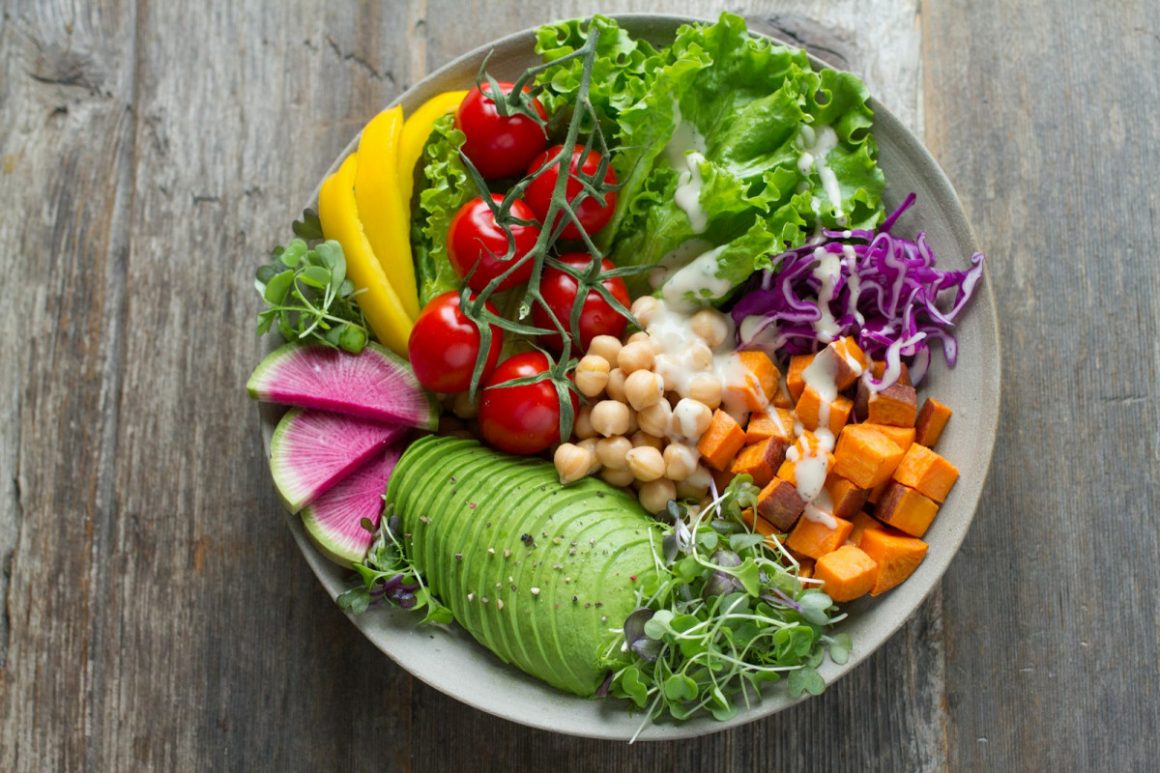
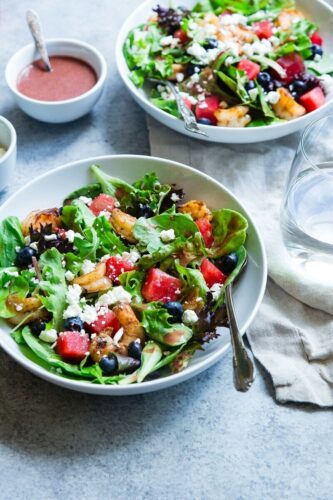
1. Add colour. Aim to add one extra vegetable or piece of fruit to a meal you already eat. What colour is missing on your plate?
2. Make extra virgin olive oil your everyday oil.
3. Include fish when you can. Tinned salmon or sardines are also affordable, quick options.
4. Add legumes and wholegrains. They’re rich in fibre, which feeds your gut bacteria. You can read more in my post on why fibre matters for mental health here.
5. Swap gradually. Rather than cutting foods out, try replacing one ultra-processed snack a day with something like berries and Greek yoghurt or a handful of nuts with dark chocolate.
A trauma-informed note
Trauma and stress can change appetite. Some people lose interest in food, while others find themselves eating more for comfort. Both are common, and neither is a personal failing. The aim isn’t a perfect diet, just regular, nourishing meals that feel manageable. If structure helps, start with one regular meal a day and build from there.
My post on mindful eating has some helpful ideas.
Nutrition is one piece of the puzzle
Recovery is holistic. Nutrition works best alongside evidence-based psychological treatment, medical care where needed, movement, sleep, connection and community.
Looking for support?
If you’d like personalised, trauma-informed nutrition support alongside your treating team, see my Consultations page for current availability.

References
- Passos IC, et al. (2015). Inflammatory markers in post-traumatic stress disorder: a systematic review, meta-analysis, and meta-regression. The Lancet Psychiatry, 2(11), 1002–1012. https://doi.org/10.1016/S2215-0366(15)00309-0
- Murray SL, Holton KF. (2024). The Role of Diet in Posttraumatic Stress Disorder (PTSD). In: Handbook of the Biology and Pathology of Mental Disorders. Springer, Cham. https://doi.org/10.1007/978-3-031-32035-4_142-1
- Jacka FN, et al. (2017). A randomised controlled trial of dietary improvement for adults with major depression (the ‘SMILES’trial). BMC Medicine, 15, 23. https://doi.org/10.1186/s12916-017-0791-y
- Firth J, et al. (2019). The effects of dietary improvement on symptoms of depression and anxiety: a meta-analysis of randomized controlled trials. Psychosomatic Medicine, 81(3), 265–280. https://doi.org/10.1097/PSY.0000000000000673