Six Simple Steps to a Nutrition Reset
Feeling like your eating has drifted off track? It happens to all of us, especially during stressful seasons, shift work, or when life just gets busy. Many of our food choices are shaped by habit and environment rather than hunger. We can make around 250 food decisions a day. In fact, research shows that most of our food decisions are not actually based on hunger, but are influenced by our habits and our environment.
The good news is that small changes to your environment and routine can make healthy choices easier, without relying on strict rules.
Here are six simple steps I use with clients.
Step 1: Have a plan
- Plan a few meals each week. Themed nights (Meatless Monday, Taco Tuesday) take the guesswork out of “what’s for dinner?”.
- Write a shopping list from your plan.
- Eat together when you can. Family meals have been linked with children and teenagers eating more fruit and vegetables, and they’re a great chance to connect.
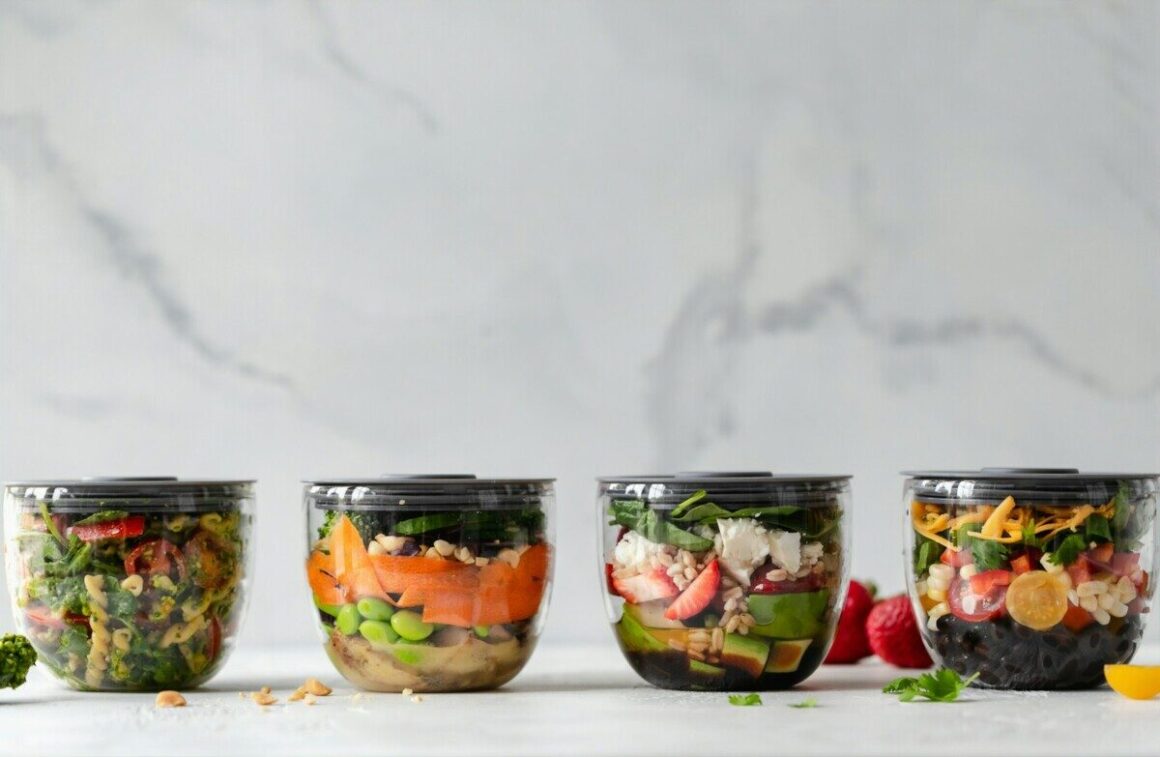
- Batch cook. I have a “Cook once, eat twice” motto. Add an extra tray of vegetables, such as pumpkin, sweet potato, carrot and onion, whenever the oven is on, and use them in lunches, salads and frittatas. I always keep back-up meals in the freezer.

Batch cooking saves time and reduces waste
Step 2: Notice what’s behind a craving
Before reaching for a snack, pause and check in. A simple way to do this is HALT, a tool that began in addiction recovery and is now widely used to build awareness around eating. It asks whether you’re Hungry, Angry, Lonely or Tired. I have added anxious, stressed, bored or depressed, which applies to my work in mental health. Often the urge to eat is about one of these, and food is only one way to meet that need.
>What H.A.L.T Stands For
- Hungry: Has it been a while since you ate? Skipped meals and low energy can make cravings feel urgent and make you irritable. If you’re hungry (or hangry!), have a balanced meal or snack with protein, fibre and healthy fats. If you’re not sure, try a glass of water first and see how you feel.
- Angry (or anxious, stressed): Are you frustrated, overwhelmed or resentful? Many of us turn to comfort food when emotions run high. Try a few slow breaths, a short walk or a few lines in a journal first. You can still eat afterwards if you want to, but you’ll be making that choice with a clearer head.
- Lonely (or bored, depressed): Do you feel disconnected or at a loose end? Sometimes what we’re craving is company, not food. Social connection may help, send a message or call a friend.
- Tired: Are you running on little sleep or feeling burnt out? When we’re tired, it affects our hunger hormones, and we tend to crave quick energy from sugary or fatty foods. Rest if you can, whether that’s a short break or an earlier night. If you can’t rest, choose something that gives steady energy.
There’s no right or wrong answer. HALT isn’t about denying yourself food. It’s a way to notice what your body and mind need. Sometimes it’s a glass of water, a walk or a rest. Sometimes it’s food, and that’s okay. If emotional eating feels hard to manage, a health professional can support you.
Think before you eat: are you hungry? Or are you bored, stressed, lonely, or tired?

Step 3: Get to know food labels
Some foods marketed as “healthy” can be high in added sugar or salt. When you compare similar products, use the “per 100 g” column on the nutrition information panel. Foods worth checking include:
- Flavoured and sweetened yoghurts
- Breakfast cereals and muesli bars
- Fruit juices
- Products labelled “gluten-free”, “organic”, “light” or “low-fat”, which aren’t necessarily lower in sugar or salt
Step 4: Set up your kitchen for success
Willpower alone rarely works long-term. It’s much easier to change your surroundings so that the healthier choice is the easy choice.
- Keep fruit, nuts and ready-to-eat vegetables where you can see them
- Store less-nourishing foods out of sight, or buy them less often
- Talk with your household about your goals. Changes are easier when everyone is on board, and the “swap” approach below can help
“Willpower is a limited resource, it’s like a muscle that becomes fatigued from overuse”
Social Psychologist Roy Baumeister
Step 5: Swap this for that
By using a “swap system” you can replace many processed foods for healthier alternatives. This can make you feel less like you’re depriving yourself and your family.
| Swap Out | Swap in alternative |
| Sugar & artificial sweeteners | Honey, pure maple syrup, stevia |
| Milk Chocolate & Sweets | 70-85% dark chocolate or raw cacao. Protein balls, raw fudge |
| Soft drinks & Sports Drinks | Water with fresh lemon or lime, coconut water DIY Electrolyte drink — water, lemon, Celtic Sea salt & honey |
| Margarine & Cooking Oils | Extra virgin coconut oil, extra virgin olive oil, ghee |
| White bread | Lettuce for wraps, traditional sourdough |
| Breakfast Cereals | Overnight oats or chia with nuts and seeds, Natural Greek yoghurt with nuts and sliced fruit, Scrambled eggs with fermented vegetables |
| Flavoured Yoghurt | Natural Greek Yoghurt, coconut yoghurt (add raw honey and fresh/frozen berries to naturally sweeten) |
| White Pasta | Zucchini spirals (can lightly cook in coconut oil), gluten free pasta such as brown rice, quinoa, etc. |
| Potato chips/fries | |
| Cows milk | If you can’t tolerate cow’s milk try an alternative like almond/coconut/oat/soy/rice milk (check labels, avoid sweetened) |
| Table salt | Pink Himalayan or Celtic sea salt |
| White Rice | Brown Rice, Cauliflower ‘rice’, Cauliflower & Broccoli ‘rice’, Quinoa |
Step 6: Try mindful eating
Mindful eating is about paying attention to your food and your body’s cues, without judgement. You might try:
- Eating slowly and without screens when you can
- Noticing the colours, smells, textures and flavours of your food
- Checking in with your hunger and fullness partway through a meal
- Pausing before you eat to notice how you’re feeling
Final thoughts
My guide to mindful eating has more practical exercises.
Change comes from small, repeated steps rather than one big overhaul. Pick one step to start with this week. If you slip back into old habits, that’s completely normal. Be kind to yourself and start again at the next meal.

References
- Hagger MS, et al. (2016). A multilab preregistered replication of the ego-depletion effect. Perspectives on Psychological Science, 11(4), 546–573. https://doi.org/10.1177/1745691616652873
- Hill, D., Conner, M., Clancy, F., Moss, R., Wilding, S., Bristow, M., & O’Connor, D. B. (2022). Stress and eating behaviours in healthy adults: A systematic review and meta-analysis. Health Psychology Review, 16(2), 280–304. https://doi.org/10.1080/17437199.2021.1923406
- Evers, C., Dingemans, A., Junghans, A. F., & Boevé, A. (2018). Feeling bad or feeling good, does emotion affect your consumption of food? A meta-analysis of the experimental evidence. Neuroscience & Biobehavioral Reviews, 92, 195–208. https://doi.org/10.1016/j.neubiorev.2018.05.028
- Hanna, K., Cross, J., Nicholls, A., & Gallegos, D. (2023). The association between loneliness or social isolation and food and eating behaviours: A scoping review. Appetite, 191, Article 107051. https://doi.org/10.1016/j.appet.2023.107051
- Al Khatib, H. K., Harding, S. V., Darzi, J., & Pot, G. K. (2017). The effects of partial sleep deprivation on energy balance: A systematic review and meta-analysis. European Journal of Clinical Nutrition, 71(5), 614–624. https://doi.org/10.1038/ejcn.2016.201
- Greer, S. M., Goldstein, A. N., & Walker, M. P. (2013). The impact of sleep deprivation on food desire in the human brain. Nature Communications, 4, Article 2259. https://doi.org/10.1038/ncomms3259
- Swami, V., Hochstöger, S., Kargl, E., & Stieger, S. (2022). Hangry in the field: An experience sampling study on the impact of hunger on anger, irritability, and affect. PLOS ONE, 17(7), Article e0269629. https://doi.org/10.1371/journal.pone.0269629